

PMS & PMT; Premenstrual Symptoms and Wellbeing Support
Premenstrual syndrome (PMS), sometimes referred to as premenstrual tension (PMT), describes a range of physical and emotional symptoms that can occur in the weeks before a period.
Symptoms can vary considerably from person to person and may also change from one menstrual cycle to another. For some people, symptoms are mild and manageable. For others, they can have a significant effect on everyday life, relationships, work, sleep and general wellbeing.
At The Boughton Clinic, we provide complementary wellbeing consultations for people who would like to discuss their experiences of premenstrual symptoms and explore lifestyle and wellbeing factors that may support their overall health.
PMT Support
- Bio-energetic screening
- 90 Minute duration
- Remedies and full support included
- Follow up appointments available where necessary
What Is PMS or PMT?
PMS is associated with symptoms that occur before a period and generally improve when the period starts or shortly afterwards.
Common symptoms can include:
- mood changes or irritability
- feeling anxious or emotional
- tiredness
- difficulty sleeping
- headaches
- bloating or abdominal discomfort
- breast tenderness
- changes in appetite or food cravings
- skin changes
- reduced concentration
- feeling more sensitive to stress
Not everyone experiences the same symptoms, and the severity can vary. Some people may experience mainly physical symptoms, while others notice more pronounced emotional or behavioural changes. (nhs.uk)
Understanding Your Menstrual Cycle
The timing of symptoms can be useful when trying to understand whether they may be associated with the menstrual cycle.
Keeping a simple symptom diary for at least two menstrual cycles can help you record when symptoms appear, how severe they are and when they improve. This information can also be useful when speaking with your GP or another healthcare professional. (nhs.uk)
A symptom diary might include:
- the date of your period
- physical symptoms
- mood and emotional changes
- sleep
- energy levels
- appetite or food cravings
- stress levels
- the effect symptoms have on your everyday activities
Looking for a pattern over several cycles can provide more useful information than trying to assess symptoms from a single month.
Lifestyle and Wellbeing
There are a number of general lifestyle measures that may help some people manage PMS symptoms.
These can include regular physical activity, maintaining a balanced diet, getting sufficient sleep and finding ways to manage stress. Some people also find it helpful to practise relaxation techniques, mindfulness or activities such as yoga. (nhs.uk)
During a consultation, we may discuss areas such as:
- sleep and daily routines
- physical activity
- nutrition and eating patterns
- stress and relaxation
- work and lifestyle pressures
- changes you have noticed throughout your menstrual cycle
- practical wellbeing goals
Our approach is individual rather than based on the assumption that one lifestyle change will work for everyone.
When PMS Affects Everyday Life
You do not have to simply put up with symptoms that are significantly affecting your quality of life.
If your symptoms are persistent, severe or interfering with work, relationships or normal activities, it is worth speaking with your GP or another appropriately qualified healthcare professional.
There are evidence-based treatments available for PMS. Depending on your symptoms and circumstances, these may include psychological support such as cognitive behavioural therapy (CBT), hormonal treatments or antidepressant medication. A healthcare professional can discuss which options may be appropriate for you. (nhs.uk)
Complementary wellbeing support should not replace medical assessment or prescribed treatment.
PMS, PMDD and Other Conditions
Severe premenstrual symptoms can sometimes be associated with premenstrual dysphoric disorder (PMDD), a more severe condition in which emotional and physical symptoms can have a substantial impact on everyday life.
PMDD may involve severe anxiety, depression, anger, irritability, sleep problems, fatigue and physical symptoms. Because the symptoms can overlap with other mental-health and physical conditions, it is important to seek appropriate professional assessment if you think you may have PMDD. (nhs.uk)
Symptoms that appear to be related to your menstrual cycle can also sometimes have another explanation. This is why we do not recommend assuming that every symptom is caused by hormonal changes or PMS.
If your periods are unusually painful, very heavy, irregular, or associated with other concerning symptoms, speak with your GP or an appropriate healthcare professional.

When to Seek Urgent Help
Most PMS symptoms are not an emergency. However, severe emotional symptoms should always be taken seriously.
If you experience suicidal thoughts or feel that you may be unable to keep yourself safe, seek urgent mental-health support. NHS guidance recommends calling 999 or going to A&E if you are in immediate danger or experiencing suicidal thoughts associated with PMDD. (nhs.uk)
For urgent but non-emergency mental-health support in England, NHS 111 can provide advice and direct you to appropriate services.
Bio-Energetic Stress Screening for Premenstrual Tension
Premenstrual tension (PMT), also known as premenstrual syndrome (PMS), can cause a range of physical and emotional symptoms in the days or weeks before a period. These may include mood changes, irritability, tiredness, bloating, breast tenderness, headaches, changes in appetite and difficulty sleeping. Symptoms can vary considerably from person to person and may also change from one menstrual cycle to another. (nhs.uk)
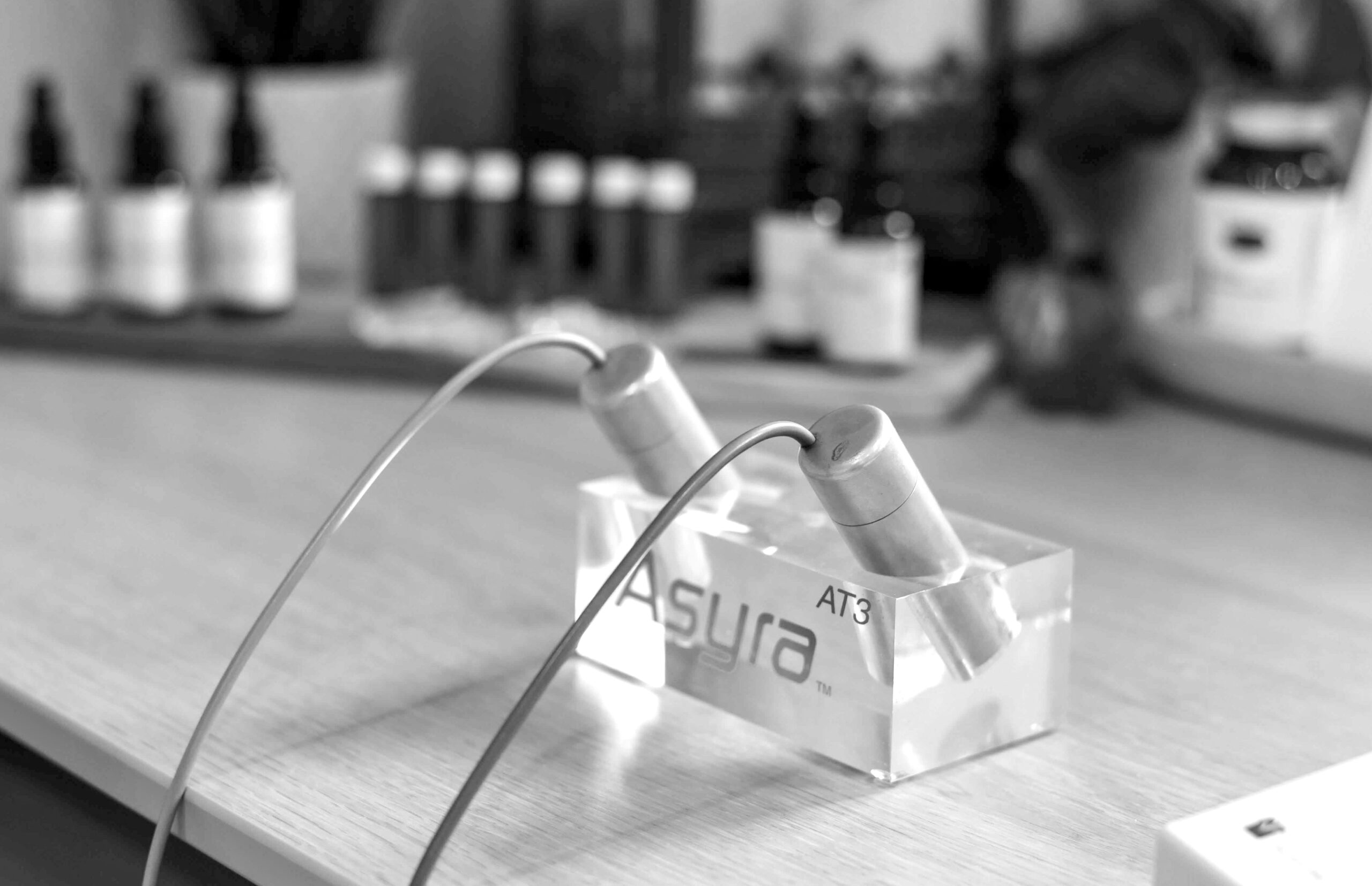
At The Boughton Clinic, we offer bio-energetic stress screening using the Asyra Pro as a complementary wellbeing service for people who would like to explore their individual experience of PMT and general wellbeing.
What is Asyra bio-energetic screening?
The Asyra Pro is a non-invasive system that records changes in skin resistance while a person holds two hand probes. The system compares these responses with digital test signatures and provides information that can be discussed with a practitioner. The manufacturer states that the Asyra Pro is not a diagnostic device, so its results should not be interpreted as a diagnosis of PMS, PMDD, hormonal imbalance or another medical condition. (asyra.co.uk)
We therefore use bio-energetic screening as an optional component of a wider, personalised wellbeing consultation rather than as a medical test.
How can screening support a PMT consultation?
Premenstrual symptoms can affect different aspects of everyday life, and understanding your own pattern can be helpful. Keeping a record of symptoms throughout your menstrual cycle can provide useful information about when symptoms appear and how they affect you. NHS guidance recommends keeping a symptom diary for at least two menstrual cycles, particularly if you plan to discuss your symptoms with your GP. (nhs.uk)
During your consultation, we can discuss your individual experience of PMT alongside areas such as sleep, nutrition, lifestyle, stress and general wellbeing. An Asyra screening may be incorporated into this conversation to provide additional information for consideration.
The purpose is not to diagnose hormonal changes or determine the medical cause of premenstrual symptoms. Instead, the screening can be used as a complementary tool to support an individualised discussion about your wellbeing and the areas you may wish to explore further.
Alternative support for premenstrual wellbeing
Bio-energetic stress screening should complement, rather than replace, appropriate medical care. If your premenstrual symptoms are severe, persistent or affecting your daily life, it is important to speak with your GP. NHS guidance notes that treatment options for PMS can include lifestyle measures, psychological therapies and, where appropriate, medication or hormonal treatments. (nhs.uk)
For people experiencing particularly severe emotional symptoms, including symptoms associated with premenstrual dysphoric disorder (PMDD), professional medical support is especially important. (nhs.uk)
At The Boughton Clinic, our aim is to provide a relaxed, personalised consultation where you can discuss your individual experience and consider complementary approaches to supporting your overall wellbeing. Asyra bio-energetic screening is one optional tool within that process, providing information for discussion rather than a medical diagnosis or substitute for evidence-based healthcare.